Plant adaptations in the tropical rainforest biome They increase the amount of sunlight a plant can capture.
 Tropical Rainforest Layers (With images) Plant
Leaves with burgundy or purple colors are common;

tropical rainforest plants adaptations to environment. Tropical rainforests are so big that they are divided into four zones. You’ll find out what kind of plants live in rainforests, and how they’ve adapted to the rainforest environment. Plants adaptation to rain forest:
This is then used to turn carbon dioxide and water into glucose. For example, some trees, such as the kapok, grow very tall because of the competition for sunlight. Plant adaptations in the tropical rainforest.
In this article, let’s explore top seven tropical rainforest animal adaptations: Tropical rainforest plants also have adaptations to take in what little sunlight is available on the dark forest floor. Although there is no cold season during which plants experience.
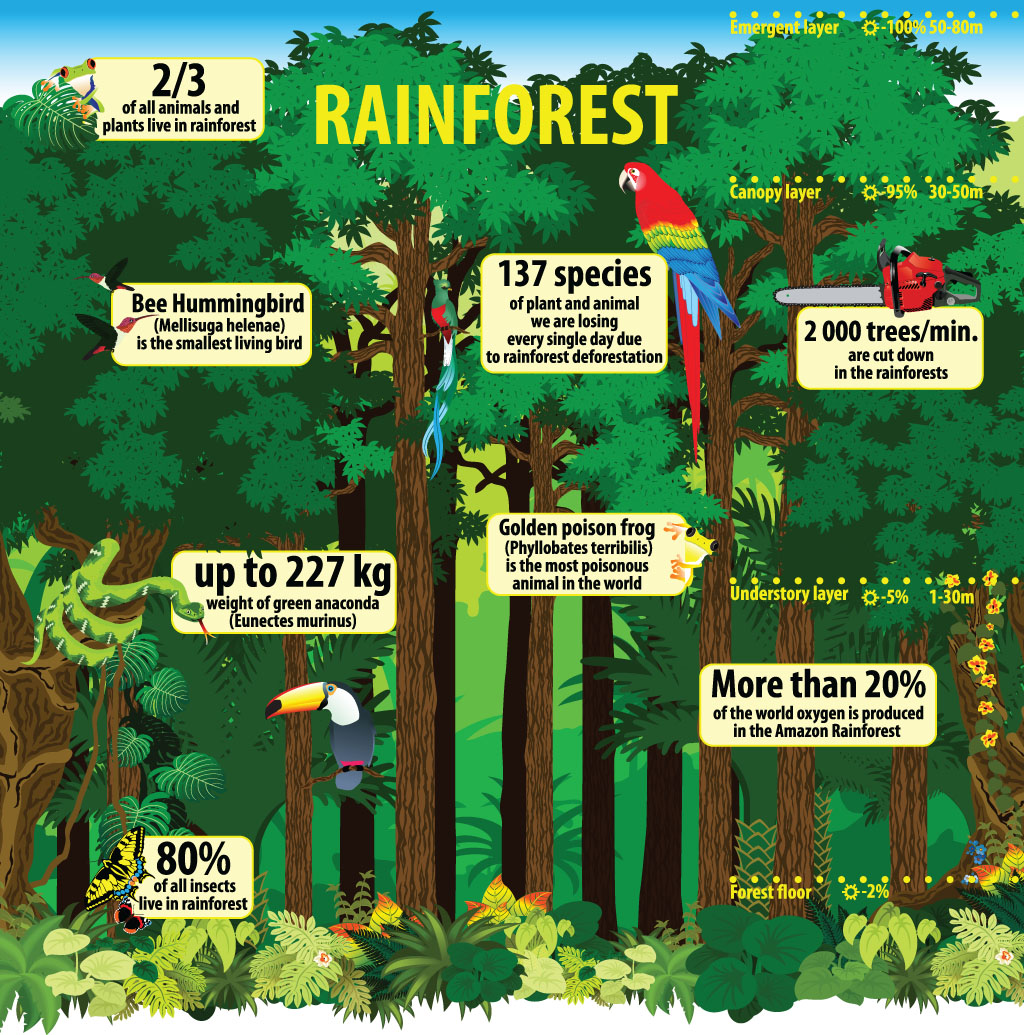
The top layer of the rainforest is called the emergent layer. In colder climates north of the equator, tropical plants can be grown as houseplants and set outside during the warm, sunny months. A few examples of tropical rainforest plants are avocado trees, orchids, ferns, bromeliads, banana trees, rubber trees, bamboo, trees, cacao, etc.
With warm temperatures, water and an abundance of food, tropical rain forests support thousands of wildlife species. The following adaptations allow plants to survive in the conditions of the rainforest. This results is a soil that is poor but plants have shallow roots to help capture nutrients from the top level of soil.
The rainforest has four distinct layers of plants with different adaptations. Tropical rainforests receive 80 to 400 inches of rain a year, which can lead to bacteria and fungi growth, soil erosion, nutrient leaching and poor soil quality. The largest rainforest in the world is the amazon rainforest in south america.
Tropical rainforest flora have to adapt to an environment that is always hot and wet. Tropical rainforests are the most biologically diverse terrestrial ecosystems in the world. Plants although tropical rainforests receive 12 hours of sunlight daily, less than 2% of that sunlight ever reaches the ground.
For better survive in the hot, wet tropics, plants of the tropical rainforest have had to develop special features called adaptation. Plants and animals living in the tropical rainforest must be able to adapt to the year round humidity and constant warm, humid and wet weather. Some adaptations of plants are following:
Camouflage, mimicry, having a limited diet, poison, reduction of size and stature, and changing of habitats with illustrations. These plants are attached to their hosts high in the canopy so that they can compete with other plants for water tapped from rain, fog, dew, or mist. Frequently, people think of the tropical rainforest as a.
Tropical rainforest plants are plants that grows naturally in a tropical climate. The glucose gives the plants energy to grow. The plant produces an edible fruit that comes from the sterile reproductive system of an unfertilised female flower.
An epiphyte is an organism that grows on the surface of a plant. The tropical rainforest is very thick, and not much sunlight is able to penetrate to the forest floor. The tropical rainforest contains the most species of plant and animal life, therefore there is immense competition for food and sunlight.
Vegetation in the tropical rainforest has adapted to thrive in its hot, wet climate in a range of ways. The competition means organisms must adapt or develop specialized traits to compete for environmental resources. Many plants in the rainforests have adapted leaf shapes that help water drip off the plant to avoid too much moisture, which might make bacteria and fungus grow.
Many rain forest animals use adaptations to carve out their own niches and protect. There are many types of plants in the tropical rainforest, which is a hot, humid biome that gets over 200 inches of rain a year, creating the perfect conditions for biodiversity. Tropical rainforest plants also have adaptations to take in what little sunlight is available on the dark forest floor.
On this page we’ll discover some of the plants in the tropical rainforest. The amazon rainforest is the world’s largest tropical rainforest. They are home to many resources, but deforestation could result in negative impacts to the planet.
Because cacao trees grow well in the shade, the rainforest does not need to be cut down in order to grow cocoa. Other plants, like orchids, bromeliads and ferns, grow as epiphytes high up in the canopy where there is more sunlight. Also, some leaves have flexible stems so they can turn toward the sun, another adaptation is the leaves of the.
Banana trees are cultivated as a popular fruit source. Plants grow rapidly and quickly use up any organic material left from decomposing plants and animals. A rain forest is an environment that gets a lot of rain.
Such places have hot climate but have heavy rains. Other plants, like orchids, bromeliads and ferns, grow as epiphytes high up in the canopy where there is more sunlight. Most plants in the tropical rainforest have adapted to the strong sunlight, heavy rain, thin soils and dark conditions in the undergrowth.
This article is part of our rainforest series. It is home to around 40,000 plant species, nearly 1,300 bird species, 3,000 types of fish, 427 species of mammals, and 2.5 million different insects. The equatorial latitude of tropical rainforests and tropical deciduous forests keeps day length and mean temperature fairly constant throughout the year.
To be able to reach the sun, and to survive in the tropical rainforest, plants have many adaptations: Bananas can grow up to 25 feet high in their native habitat. In tropical rainforests, many plants live as epiphytes to receive the necessary sunlight and moisture to complete their life cycle.
This page contains information on rainforest plants, and includes examples of many amazing species. Tropical rainforests contain far more species of plants and animals than any other biome. Different types of cactus, joshua tree etc.
They increase the amount of sunlight a plant can absorb. The tropical rainforest environment is characterized by high temperatures and an abundance of rainfall, leading to high levels of humidity. The sunlight is a huge part of photosynthesis, which keeps the plants live.
Also, the weather in the rain forest is warm throughout the year. The following plant adaptationsenable tropical plants to live in the hot, humid, and wet conditions of the tropical rainforest. So the plants here have drip tips and waxy surfaces on leaves to shed the excess water.
The growth is slow as the plants do not have to make much food. They cannot survive in very dry weather and thrive in climates with high humidity and rainfall. A tropical climate is typically hot and humid, with temperatures constantly exceeding 18 degrees celsius, with zero frost days.

tropical rainforest plants adaptations to environment. Tropical rainforests are so big that they are divided into four zones. You’ll find out what kind of plants live in rainforests, and how they’ve adapted to the rainforest environment. Plants adaptation to rain forest: This is then used to turn carbon dioxide and water into glucose. For example, some trees, such as the kapok, grow very tall because of the competition for sunlight. Plant adaptations in the tropical rainforest.
In this article, let’s explore top seven tropical rainforest animal adaptations: Tropical rainforest plants also have adaptations to take in what little sunlight is available on the dark forest floor. Although there is no cold season during which plants experience. The top layer of the rainforest is called the emergent layer. In colder climates north of the equator, tropical plants can be grown as houseplants and set outside during the warm, sunny months. A few examples of tropical rainforest plants are avocado trees, orchids, ferns, bromeliads, banana trees, rubber trees, bamboo, trees, cacao, etc.
With warm temperatures, water and an abundance of food, tropical rain forests support thousands of wildlife species. The following adaptations allow plants to survive in the conditions of the rainforest. This results is a soil that is poor but plants have shallow roots to help capture nutrients from the top level of soil. The rainforest has four distinct layers of plants with different adaptations. Tropical rainforests receive 80 to 400 inches of rain a year, which can lead to bacteria and fungi growth, soil erosion, nutrient leaching and poor soil quality. The largest rainforest in the world is the amazon rainforest in south america.
Tropical rainforest flora have to adapt to an environment that is always hot and wet. Tropical rainforests are the most biologically diverse terrestrial ecosystems in the world. Plants although tropical rainforests receive 12 hours of sunlight daily, less than 2% of that sunlight ever reaches the ground. For better survive in the hot, wet tropics, plants of the tropical rainforest have had to develop special features called adaptation. Plants and animals living in the tropical rainforest must be able to adapt to the year round humidity and constant warm, humid and wet weather. Some adaptations of plants are following:
Camouflage, mimicry, having a limited diet, poison, reduction of size and stature, and changing of habitats with illustrations. These plants are attached to their hosts high in the canopy so that they can compete with other plants for water tapped from rain, fog, dew, or mist. Frequently, people think of the tropical rainforest as a. Tropical rainforest plants are plants that grows naturally in a tropical climate. The glucose gives the plants energy to grow. The plant produces an edible fruit that comes from the sterile reproductive system of an unfertilised female flower.
An epiphyte is an organism that grows on the surface of a plant. The tropical rainforest is very thick, and not much sunlight is able to penetrate to the forest floor. The tropical rainforest contains the most species of plant and animal life, therefore there is immense competition for food and sunlight. Vegetation in the tropical rainforest has adapted to thrive in its hot, wet climate in a range of ways. The competition means organisms must adapt or develop specialized traits to compete for environmental resources. Many plants in the rainforests have adapted leaf shapes that help water drip off the plant to avoid too much moisture, which might make bacteria and fungus grow.
Many rain forest animals use adaptations to carve out their own niches and protect. There are many types of plants in the tropical rainforest, which is a hot, humid biome that gets over 200 inches of rain a year, creating the perfect conditions for biodiversity. Tropical rainforest plants also have adaptations to take in what little sunlight is available on the dark forest floor. On this page we’ll discover some of the plants in the tropical rainforest. The amazon rainforest is the world’s largest tropical rainforest. They are home to many resources, but deforestation could result in negative impacts to the planet.
Because cacao trees grow well in the shade, the rainforest does not need to be cut down in order to grow cocoa. Other plants, like orchids, bromeliads and ferns, grow as epiphytes high up in the canopy where there is more sunlight. Also, some leaves have flexible stems so they can turn toward the sun, another adaptation is the leaves of the. Banana trees are cultivated as a popular fruit source. Plants grow rapidly and quickly use up any organic material left from decomposing plants and animals. A rain forest is an environment that gets a lot of rain.
Such places have hot climate but have heavy rains. Other plants, like orchids, bromeliads and ferns, grow as epiphytes high up in the canopy where there is more sunlight. Most plants in the tropical rainforest have adapted to the strong sunlight, heavy rain, thin soils and dark conditions in the undergrowth. This article is part of our rainforest series. It is home to around 40,000 plant species, nearly 1,300 bird species, 3,000 types of fish, 427 species of mammals, and 2.5 million different insects. The equatorial latitude of tropical rainforests and tropical deciduous forests keeps day length and mean temperature fairly constant throughout the year.
To be able to reach the sun, and to survive in the tropical rainforest, plants have many adaptations: Bananas can grow up to 25 feet high in their native habitat. In tropical rainforests, many plants live as epiphytes to receive the necessary sunlight and moisture to complete their life cycle. This page contains information on rainforest plants, and includes examples of many amazing species. Tropical rainforests contain far more species of plants and animals than any other biome. Different types of cactus, joshua tree etc.
They increase the amount of sunlight a plant can absorb. The tropical rainforest environment is characterized by high temperatures and an abundance of rainfall, leading to high levels of humidity. The sunlight is a huge part of photosynthesis, which keeps the plants live. Also, the weather in the rain forest is warm throughout the year. The following plant adaptationsenable tropical plants to live in the hot, humid, and wet conditions of the tropical rainforest. So the plants here have drip tips and waxy surfaces on leaves to shed the excess water.
The growth is slow as the plants do not have to make much food. They cannot survive in very dry weather and thrive in climates with high humidity and rainfall. A tropical climate is typically hot and humid, with temperatures constantly exceeding 18 degrees celsius, with zero frost days.
 Deciduous trees shed their leaves usually as an adaptation
 Aves y animales en el bosque tropical Bosque tropical
 Pin de Alicia Taylor em Brazillian Things Floresta
 Ally's Tropical rainforest biome project for school
 Taiga trees have many adaptations for surviving harsh
 Protecting Biodiversity in the Amazon Rainforest Amazon
 Tropical+Rainforest+Plants tropical rainforest animals
Adaptations for Bougainvillea Glabra Garden soil, Plants
 Tropical rainforest biome Rainforest biome, Rainforest
 Saving Indigenous Lands in the Amazon Fun facts about
 4th Grade Rainforest Ecosystem Shoebox Diorama Tropical
 Mangrove Tree, Daintree National Park, Australia in 2019
 creating trees for a rainforest biome box Google Search
 Rainforests on Pinterest
 Rainforest Diorama Rainforest project, Diorama kids
 El Yunque Rain Forest Rainforest, Tropical garden
 yucatan jungle rain ambience wood Sounds For Relaxation
 One of the topics featured in Reading Informational Text
 Drones Find Hundreds of StonehengeLike Spots in Amazon



Komentar
Posting Komentar